

May 15, 2026
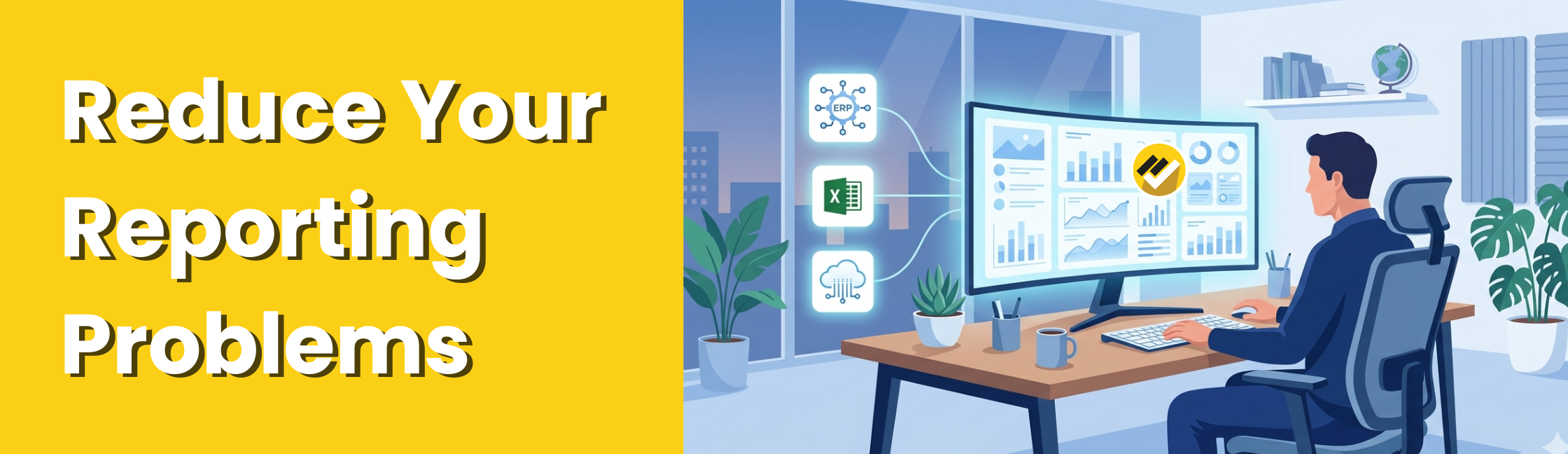
What are the ways to reduce reporting problems in 2026? Businesses in 2026 can reduce reporting problems by automating MIS reporting, customizing reports based on business models, consolidating ERP and non-ERP data, using real-time dashboards, and automating report scheduling. These methods help improve reporting accuracy, save time, and support faster business decisions.
Top 5 Ways to Reduce Your Reporting Problems in 2026
1. Automate Your MIS Reporting Process
How can automated MIS reduce reporting problems?
Automated MIS reporting helps businesses eliminate repetitive tasks. Organizations can automatically generate reports directly from ERP and accounting systems.
Automation helps businesses:
- Save reporting time
- Improve report accuracy
- Generate faster MIS reports
- Improve business visibility
At EasyReports, organizations automate financial reports, dashboards, inventory reports, sales reports and management MIS across multiple systems.

2. Build Reports Based on Your Business Model
Why should businesses customize reporting formats?
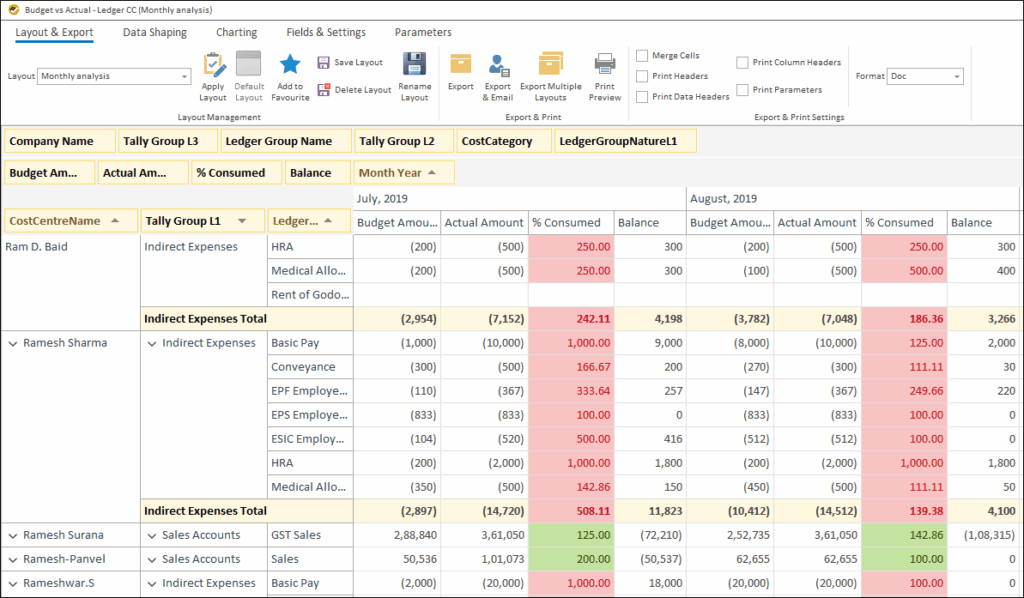
Every business works differently, so reporting requirements also differ from industry to industry. A manufacturing company needs different KPIs and dashboards compared to FMCG, retail, healthcare or service businesses.
Businesses should design reports based on:
- Industry-specific KPIs
- Department requirements
- Branch performance
- Sales channels
- Operational workflows
For example:
- FMCG businesses focus on distributor sales and stock movement
- Manufacturing companies track production, wastage and inventory efficiency
- Service businesses monitor utilization and profitability
Customized reporting helps management understand business performance faster and make better decisions.
3. Combine ERP and Non-ERP Data for Better Reporting
Why is data consolidation important for reporting?
Businesses now use multiple platforms such as ERP software, CRM systems, payroll software, Excel files, production systems and eCommerce applications. When data remains disconnected, reporting becomes complicated and inaccurate.
A centralized reporting platform helps businesses:
- Combine ERP and non-ERP data
- Create consolidated MIS reports
- Improve reporting accuracy
- Eliminate duplicate reporting work
- Build unified dashboards
4. Use Real-Time Dashboards Instead of Static Excel Reports
Why are real-time dashboards important in 2026?
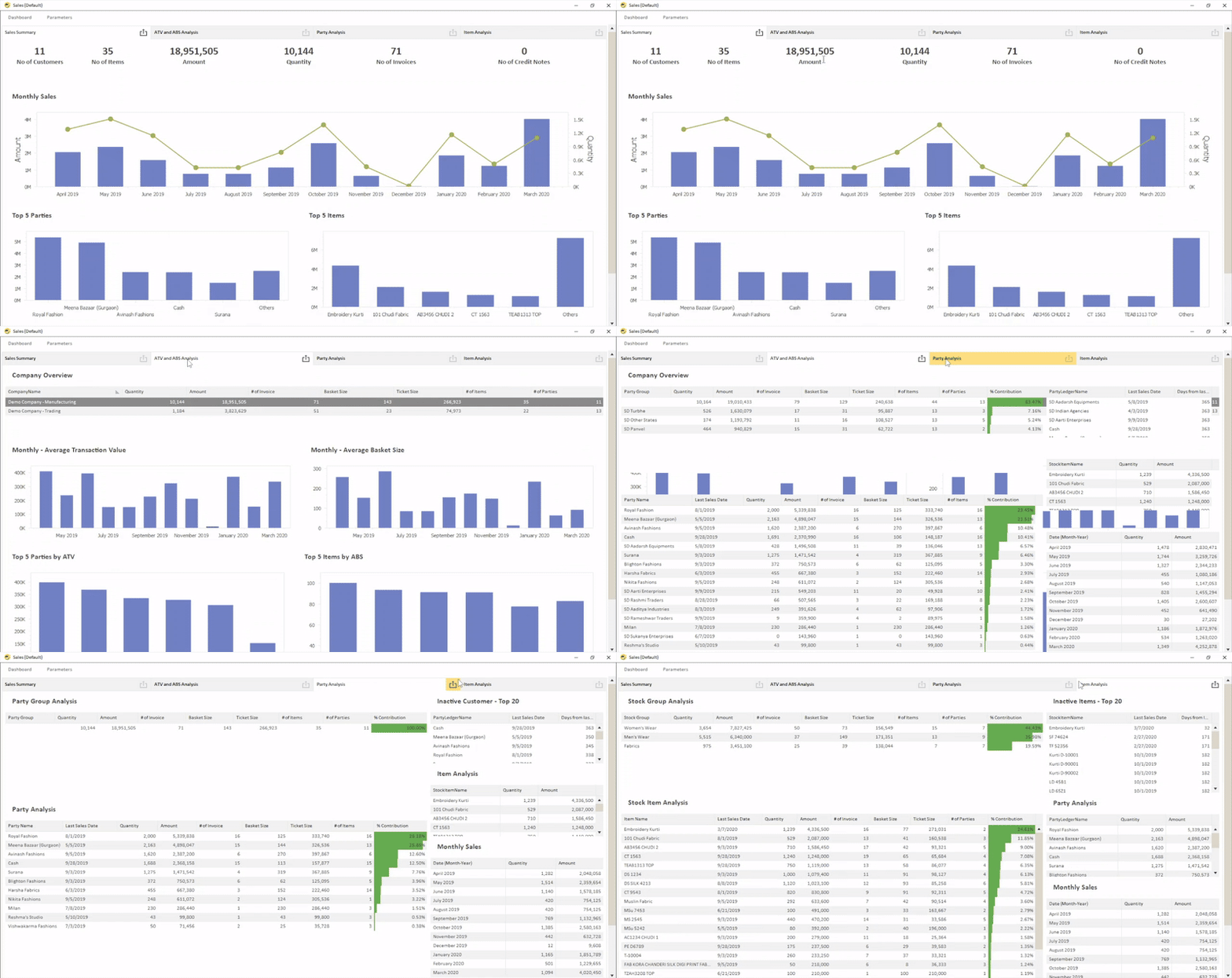
Traditional Excel reports often become outdated before management reviews them. Real-time dashboards solve this problem by providing real-time insights instantly.
Real-time dashboards help businesses:
- Monitor KPIs faster
- Identify exceptions quickly
- Analyze branch-wise and department-wise data
In 2026, businesses increasingly prefer dashboard-driven reporting over static spreadsheets.
5. Automate Report Distribution and Scheduling
How can report scheduling improve reporting efficiency?
Automated report distribution allows businesses to:
- Schedule daily MIS reports
- Automatically send reports through email
- Export reports in Excel or PDF format
- Share dashboards securely
- Trigger exception alerts automatically
Automation ensures that management receives reports on time without manual follow-ups.
How Can EasyReports Help Reduce Reporting Problems?
EasyReports helps organizations automate reporting and MIS processes across ERP and non-ERP systems.
Businesses can:
- Automate financial reports
- Build consolidated dashboards
- Generate real-time MIS
- Combine multiple data sources
- Automate report scheduling
- Improve management reporting accuracy
Businesses in 2026 cannot depend completely on manual Excel reporting and disconnected systems. Reporting automation, centralized dashboards and automated MIS reporting are becoming essential for faster and smarter business decisions.
If your team still spends hours preparing reports manually, this is the right time to move toward automated reporting solutions. Get your demo now!
Frequently Asked Questions (FAQ)
Q: How does automated MIS reporting reduce reporting problems?
A: It eliminates repetitive tasks, saves time, improves accuracy, and provides faster insights.
Q: Why should reports be customized by business model?
A: Different industries have unique KPIs and needs. Customizing ensures relevant, actionable insights for better decision-making.
Q: Why is combining ERP and non-ERP data important?
A: Consolidating data ensures reports are accurate, unified, and avoid duplication across multiple systems.
Q: What are the benefits of real-time dashboards over Excel reports?
A: Real-time dashboards provide immediate insights, so you always see current data without manual updates.
Q: How does automating report scheduling help?
A: It ensures reports are delivered on time, reduces manual follow-ups, and keeps management informed.